
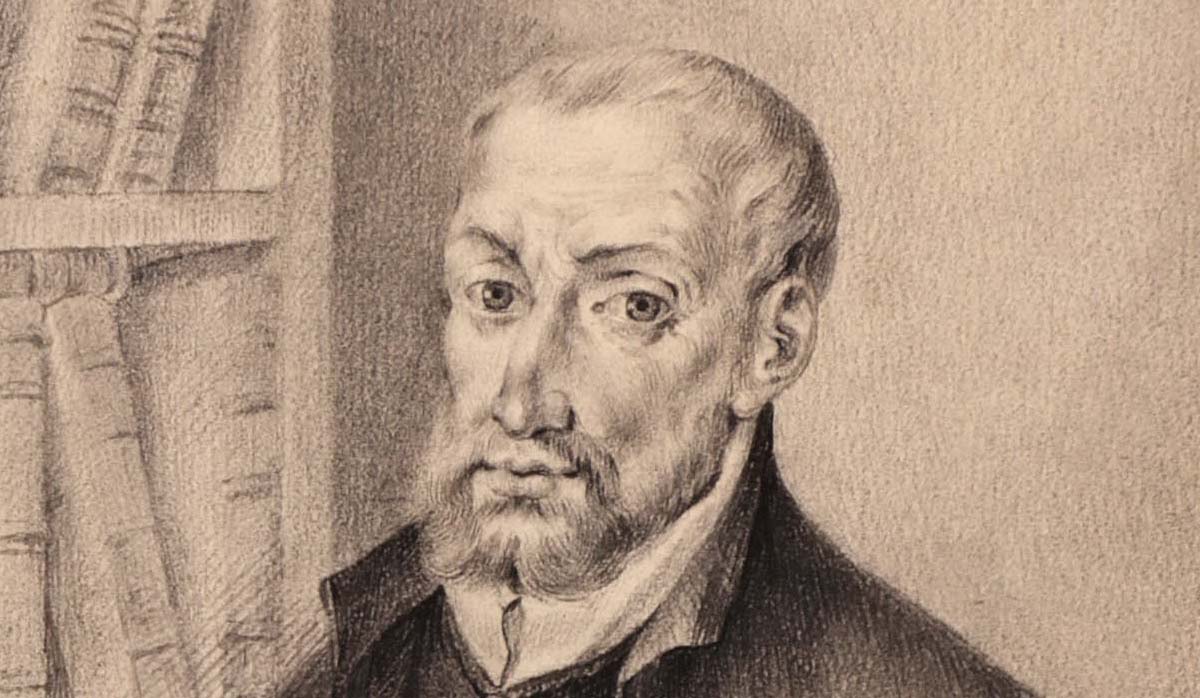
Biography
Early Life and Education
Juan Ginés de Sepúlveda was a leading historian and scholar in 16th-century Spain who became an influential defender of the Spanish Conquest of the Americas. A dedicated student of Aristotle and other classical writers, he earned considerable respect in Spanish intellectual circles. Erasmus referred to him as “the Spanish Livy.” Sepúlveda also maintained close connections with Conquistadores, wealthy American landowners, and powerful members of the Spanish royal court, which allowed him to influence the government.
Valladolid Debate
Sepúlveda is primarily remembered for his 1550–1551 debate with Bartolomé de Las Casas at Valladolid. Las Casas had condemned colonial institutions, particularly the Encomienda System, because he believed they hurt native people and the Spanish Colonies. King Charles V invited both men to present their arguments before a court.
Sepúlveda spoke first and argued that four reasons justified the Spanish conquest of the natives.
- He claimed that native religious practices deserved punishment.
- Their customs demonstrated their inferiority.
- Conquest was the most effective way to convert them to Catholicism.
- Spanish rule could protect weaker natives from violent neighbors.
Las Casas spent five days responding to Sepúlveda’s arguments. Although the court did not officially declare a winner in the debates, King Charles V ultimately sided with Las Casas. Afterward, Spanish laws passed showed greater concern for natives.
The Black Legend
Despite this, Sepúlveda’s writings were widely circulated in Europe. Spain’s enemies in England, France, and the Netherlands associated his views with the “Black Legend,” which asserted that the Spanish intended to convert as many people in the Americas to Catholicism as possible and exterminate anyone who refused. Supporters of English colonization, including Richard Hakluyt the Younger and Samuel Purchas, used this concept to promote the idea that England needed to spread Protestantism in the Americas.
Personal Facts
- Born: 1490.
- Occupation: Sepúlveda was a scholar and leading Spanish humanist.
- Education: He studied Aristotle and other classical authors.
- Valladolid Debate:
- Sepúlveda engaged Bartolomé de Las Casas in a debate over the treatment of natives in the New World.
- He argued that native people were inferior to Europeans and that Spain was justified in conquering them.
- Legacy: His writings contributed to the “Black Legend” of Spanish cruelty in the Americas.
- Died: November 17, 1573.
- Nickname: The Dutch priest Erasmus called him “the Spanish Livy,” after the famous Roman historian.
Significance
Juan Ginés de Sepúlveda is important to American History because his opinions and arguments in the Valladolid Debate justified the Spanish Conquest of the Americas and harsh treatment of native people. His works also contributed to the “Black Legend,” which Protestant nations used to justify their exploration and colonization of the New World.
AP US History
Definiton
Juan Ginés de Sepúlveda — Juan Ginés de Sepúlveda was a 16th-century Spanish humanist and scholar who argued that native people of the Americas were inferior to Europeans. Sepúlveda justified Spanish conquest as a means to civilize and convert the natives. His 1550 debate with Bartolomé de Las Casas at Valladolid became a landmark discussion over colonialism, native rights, and the ethics of imperial expansion.
Alignment
Juan Ginés de Sepúlveda is part of the following AP US History sections:
- New World Beginnings (33000 B.C.–1769)
- Labor, Slavery, and Caste in the Spanish Colonial System (1491–1607)
- Cultural Interactions Between Europeans, Native Americans, and Africans (1491–1607)
Terms
Council of the Indies (1524–1834) — Established by Charles V in 1524, the Council of the Indies served as Spain’s main governing body for its American colonies. It served as the supreme court for colonial affairs, advised the monarch on policy, appointed officials, drafted laws, and oversaw Catholic missions. Based in Madrid after 1555, it also oversaw the Casa de Contratación, which regulated trade between Spain and its New World possessions.
Encomienda System — The Encomienda System was a labor system used in the Spanish Colonies in the Americas during the 16th century. The system granted a Spanish colonist a specified number of indigenous people to work for them in exchange for the responsibility to Christianize and protect them. The indigenous people were required to provide labor, often in harsh conditions, and were subject to the control of their Encomendero — the Spanish colonist who was granted the Encomienda. This system was exploitative and led to the mistreatment and abuse of indigenous people. It was also a precursor to the more formalized system of African slavery that developed later in the Americas.
Encomenderos — Encomenderos were Spanish settlers who received grants of land and the labor of indigenous people under the Encomienda System. These individuals were responsible for extracting labor, tribute, and conversion to Christianity from the indigenous population. The power and influence wielded by Encomenderos allowed them to shape the economic, social, and cultural dynamics of the Spanish colonies, contributing to the establishment of a hierarchical and caste-based society.
King Charles V (1500–1558) — He ruled Aragon and Castile (Spain) as Charles I from 1516–1556 and the Holy Roman Empire as Charles V from 1519–1556. Charles inherited vast territories, including Castile, Aragón, Burgundy, Austria, and Spain’s possessions in the Americas, making him one of the most powerful monarchs of the 16th Century. During his reign, Spain expanded its overseas empire and gained wealth from precious metals and trade. He also oversaw conflicts with European powers and dealt with the fallout from the Protestant Reformation. Charles also implemented reforms that shaped the course of the Spanish Colonies in the Americas and issued decrees and orders that influenced colonial policies, including regulations related to indigenous rights and colonial administration. He abdicated in 1556, dividing his lands between his son, Philip II, and his brother, Ferdinand.
New Laws of the Indies (1542) — The New Laws of the Indies, or Leyes Nuevas, were reforms issued by King Charles V in 1542 to protect native people in the Americas from exploitation by Spanish colonists in the New World. Influenced in part by Bartolomé de las Casas and other critics of harsh treatment of natives, the laws prohibited the enslavement of natives and tried to restrict the Encomienda System. They also sought to prevent Encomiendas from becoming hereditary. Colonists resisted the reforms, and some provisions were weakened or revoked, but the laws represented an important effort by the Spanish Crown to regulate colonial labor practices.
Spanish Requirement of 1513 — The Spanish Requirement of 1513, or El Requerimiento, was a document issued by the Spanish Crown in the early 16th Century that outlined the rights and responsibilities of the Spanish colonizers in the New World. The document stated that the colonizers were required to respect the rights of the native people and convert them to Christianity, specifically the Catholic faith. The Spanish Requirement was often read in Spanish without translation, making it incomprehensible to the natives. Its use as a legal justification for conquest and colonization has been criticized for its coercive nature.
Valladolid Debate (1550–1551) — The Valladolid Debate was a famous debate that took place in 16th-century Spain regarding the treatment of native people. The debate was organized by the Spanish Crown and took place in Valladolid, Spain, in 1550-1551 between two prominent Spanish intellectuals, Bartolome de las Casas and Juan Ginés de Sepúlveda. Las Casas argued that natives were rational beings who should be treated with respect and dignity and that the Spanish should focus on converting them to Christianity through peaceful means. Sepúlveda argued that Native Americans were inferior to Europeans and that it was justified to use force and violence to subjugate them. Following the debate, the judges who heard the arguments went their separate ways, and no ruling was issued.
